

















The luxury handbag market is undergoing a significant transformation, with brands like Murci at the forefront, marrying aesthetic minimalism with functional engineering. The Murci Dakota Mini bag stands as a testament to this trend, showcasing a meticulous approach to compact design that harmonizes spatial efficiency and material durability. This article delves into the technical aspects, design philosophy, and practical applications of the Dakota Mini, illustrating why it has become a coveted accessory in the premium handbag segment.
Dimensional Analysis and Spatial Optimization
The Dakota Mini’s form factor reflects intentional engineering choices that expertly balance portability with functional capacity. In the realm of luxury handbags, compact design necessitates precise dimensional planning to maximize internal volume while maintaining an elegant exterior. The trend towards miniaturization in luxury accessories requires careful attention to proportion, where every millimeter contributes to both aesthetic coherence and practical utility.
Understanding the spatial architecture of mini bags reveals the reasons behind their success. The Dakota Mini’s structure exemplifies how reduced dimensions can enhance versatility, provided that internal organization is aligned with ergonomic principles. This bag offers a compact yet spacious interior that meets the demands of modern consumers.
Explore Dakota Mini Specifications
Material Science and Construction Methodology
The selection of materials fundamentally influences a handbag’s longevity and performance characteristics. Premium leather goods undergo specific processing techniques impacting texture, flexibility, and aging properties. The Dakota Mini is likely constructed using a combination of high-quality leather finishes:
- Full-Grain Leather: Retaining the entire grain layer, this provides superior durability and a natural patina that develops over time.
- Top-Grain Treatment: This offers a consistent surface texture while maintaining structural integrity, balancing appearance with practical resilience.
Additionally, the integration of metal components such as zippers and clasps requires careful alloy selection to prevent corrosion and ensure smooth mechanical operation throughout numerous uses.

Functional Design Elements
Strap Engineering and Ergonomics
The carrying system is one of the most critical challenges in handbag design. The Dakota Mini features straps that distribute weight evenly, accommodating various body types and wearing preferences. Key ergonomic considerations include:
- Strap Width-to-Weight Ratio: This determines comfort during extended wear.
- Adjustment Mechanism Reliability: Different systems offer distinct advantages for usability.
- Connection Point Reinforcement: High-stress areas require additional stitching or material layering for durability.
Internal Organization Architecture
Compact bags present unique organizational challenges. The Dakota Mini’s interior layout requires strategic compartmentalization that maintains accessibility while avoiding bulk. Professional handbag engineering employs several techniques:
- Vertical Pocket Placement: This maximizes wall space without compromising the main compartment volume.
- Zippered Security Sections: These protect valuables while maintaining quick access patterns.
- Card Slot Integration: This eliminates the need for a separate wallet in certain scenarios.
Technical Specifications Analysis
| Design Parameter | Dakota Mini Configuration | Market Standard |
|---|---|---|
| Size Category | Micro/Mini | Varies (Mini to Oversized) |
| Carrying Methods | Crossbody, Shoulder | Multiple options standard |
| Closure System | Premium hardware | Magnetic/Zipper variations |
| Interior Pockets | Strategic placement | 2-4 typical |
| Material Grade | Premium leather | Full/Top grain options |
| Hardware Finish | Corrosion-resistant alloy | Varies by price point |
Comparative Engineering: Mini Bag Market Position
The compact luxury handbag segment operates within specific technical constraints that differentiate successful designs from purely aesthetic offerings. Comparing structural approaches reveals why certain mini bags achieve cult status while others remain functional but unremarkable.
- Traditional Mini Bag Approach: Often prioritizes aesthetic reduction, sacrificing organizational features for visual minimalism.
- Contemporary Engineered Approach: The Dakota Mini balances dimensional economy with thoughtful internal architecture, where every design element serves both form and function.
- Luxury Oversized Trend: Contrasts with mini engineering by emphasizing capacity over portability, serving a different use case entirely.
Durability Testing and Performance Metrics
Professional handbag assessment evaluates multiple stress factors to determine real-world longevity. While testing protocols may vary by manufacturer, industry-standard evaluations include:
- Strap Tensile Strength: Premium bags should withstand 20-30 pounds without material deformation.
- Zipper Cycle Testing: Quality zippers endure 5,000-10,000 open/close cycles before showing wear.
- Leather Flexural Resistance: Full-grain leather demonstrates superior performance in repeated stress testing.
- Color Fastness: Dye stability under UV exposure and moisture contact is critical for maintaining aesthetic integrity.
Pros and Cons: Technical Assessment
Advantages
- ✓ Compact efficiency: Optimized dimensions for essential carrying without bulk.
- ✓ Premium material selection: Quality construction indicates longevity-focused design.
- ✓ Versatile carrying options: Multiple wearing methods enhance practical utility.
- ✓ Refined aesthetic integration: Technical elements do not compromise visual design.
- ✓ Weight distribution: Thoughtful strap engineering for comfort.
- ✓ Hardware quality: Durable metal components suggest long-term reliability.
Limitations
- ✗ Capacity constraints: Mini format inherently limits storage volume.
- ✗ Specialized use case: Not suitable for laptop or tablet carrying.
- ✗ Price-to-size perception: Compact dimensions may not reflect value for all buyers.
- ✗ Limited internal organization: Smaller footprint restricts compartment options.
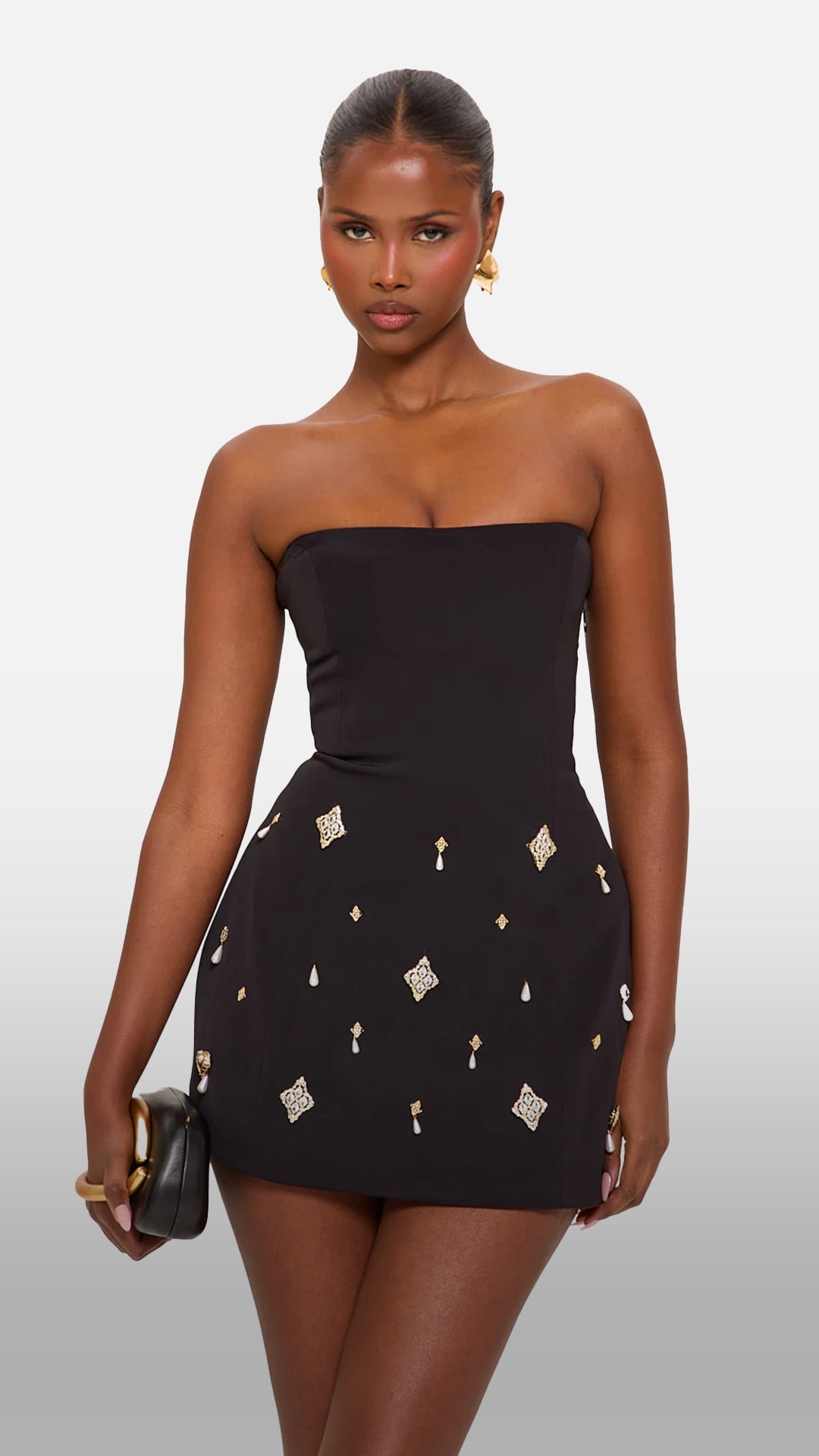
Use Case Optimization
Different carrying scenarios demand specific bag characteristics. The Dakota Mini targets particular use profiles:
- Urban Professional: Ideal for quick transit situations where essentials like a phone, wallet, and keys are carried.
- Social Occasions: Perfect for evening events where full-size bags prove cumbersome.
- Travel Companion: Serves as a secondary bag for day excursions, keeping hands free for navigation.
- Weekend Minimalist: Great for casual outings requiring only essential items.
Material Maintenance and Care Protocols
Maintaining premium leather goods requires specific procedures to preserve their structural integrity and aesthetic qualities:
- Regular Conditioning: Leather treatments every 3-6 months prevent drying and cracking.
- Storage Methodology: Stuffing during periods of non-use helps retain shape.
- Stain Response: Immediate blotting prevents dye transfer and moisture damage.
- Hardware Care: Metal polish application maintains finish luster and prevents oxidation.
Engineering Value Proposition
The Dakota Mini embodies Murci’s philosophy of maximizing functionality within minimal dimensions. This engineering approach prioritizes thoughtful design, ensuring that every element serves a purpose, from strap attachment reinforcement to internal pocket placement. Contemporary consumers increasingly value quality-per-square-inch over sheer size, reflecting a shift towards intentional carrying rather than preparedness for every possible scenario.
Experience Dakota Mini Engineering
Conclusion: Precision in Compact Design
The Murci Dakota Mini exemplifies technical proficiency in luxury accessories engineering. Through careful material selection, dimensional optimization, and functional design integration, it addresses the compact bag challenge without compromising on quality or practical utility. This represents the evolution of handbag design: where minimalism meets methodology, and every design decision reflects both aesthetic intention and engineering rationale.
For those prioritizing craftsmanship over capacity, and quality over quantity, the Dakota Mini offers a compelling alternative to both oversized carryalls and purely decorative micro bags. It occupies the precise intersection of form, function, and professional execution that defines contemporary luxury accessories.