
















Gaudí’s Casa Batlló: Unveiling Barcelona’s Architectural Gem
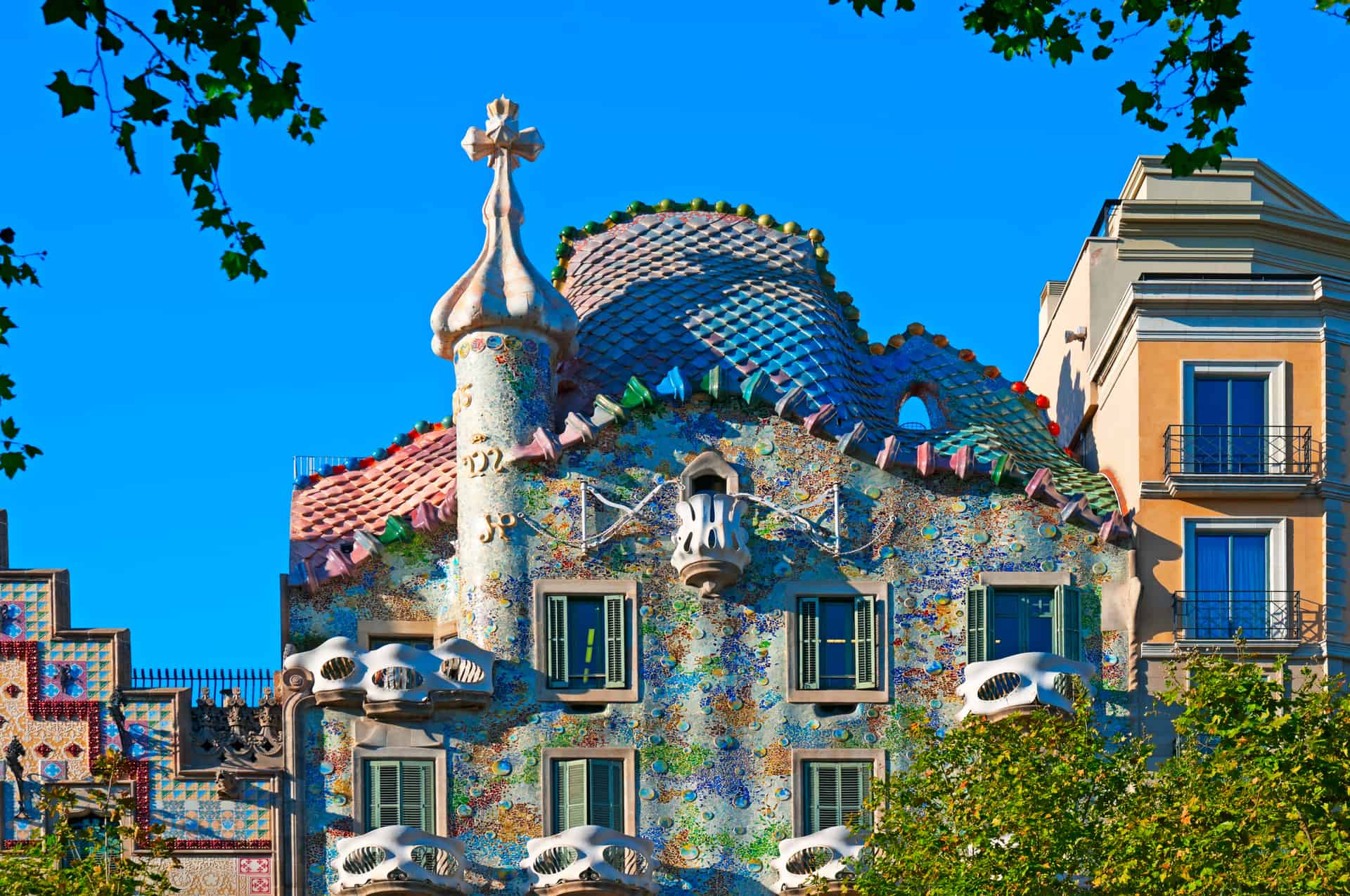
The Casa Batlló is one of the buildings situated in the Eixample district of Barcelona and is a fine example of how Gaudí enriched the sphere of architecture. This Modernist structure is perhaps one of the most famous buildings designed by Gaudí and was finished in 1906; the style, which aimed at liberating itself from the conventional and embracing the curvilinear, is most evident in this edifice.
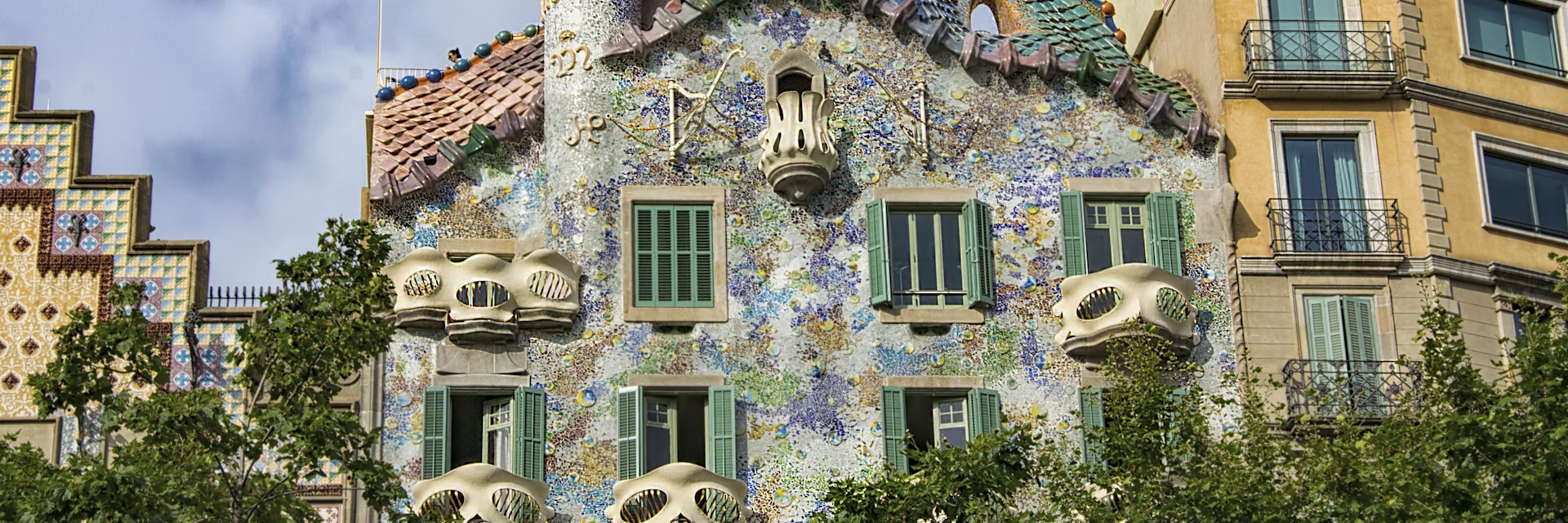
Everyone who encounters the external shell of Casa Batlló is enchanted by the intricacy of colourful patterns and shapes, which resemble a castle from a fairy-tale, and thus enchants people’s imagination. Gaudí incorporated the use of natural curves and small details that are reminiscent of water and shells of sea creatures. These are the features that can be considered defining for his work, as he employs artistic elements. Ceramics, glass and wrought iron are also used in the construction of the building and add to the surreal aspect of the building and in this sense it provides more than just an architectural experience to the visitors.
A Journey Through Architectural Innovation

The façade of Casa Batlló is a story told through architecture; it is an artwork on its own The mosaic tiles on the front are in a spectrum of bright blues and greens and is said to depict a dragon’s scales. This is a reference to the patron saint of Catalonia which is Saint George. On the arched roof there are ‘spines’ and multicolored ceramic ‘scales’, so, it seems that this is the back of some legendary creature.
This way, a story of regeneration and renewal is formed through the entwinement of these elements, which symbolizes the Barcelonan culture and Gaudí’s link to his Catalan roots. That is why, the organic shapes, the dynamic play of the light and shadow and the focus on the exploration of the building’s depth make it a true masterpiece of the modernist architecture and it invites the visitors to discover new beauties at every corner.
The Symbolism Behind the Design
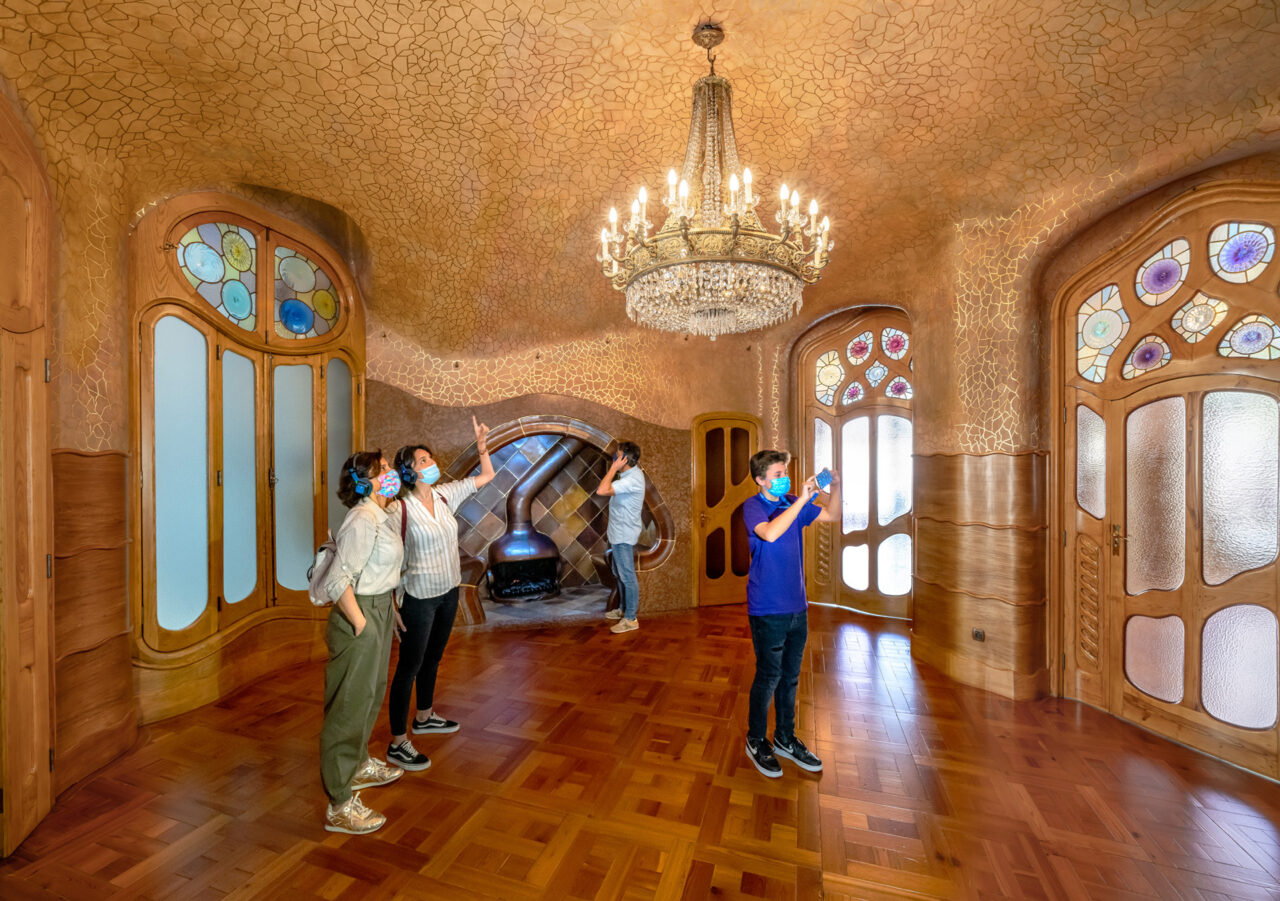
Every single part of this house has its meaning and it has been determined that Gaudí liked the culture of Catalonia and the nature. Not only does the application of mosaic tiles on the front appear like the scales of dragon but it also has functional use of reflecting sunlight and controlling the internal temperature of the structure. The arched windows allow filtered natural light into the interior areas, which is symbolic to seaweed and marine life. This leads to a very dramatic contrast of color and shade.
The level of detail that was put into Casa Batlló by Gaudí is seen through every corner of the house including the sculpted chimneys on the roof, the wooden work and the stained glass features that are found in the house. Architecture becomes a type of art that is not bound by space and time due to the incorporation of these aspects, which narrate a story of creation and advancement.
Inside Casa Batlló: Exploring Gaudí’s Artistry
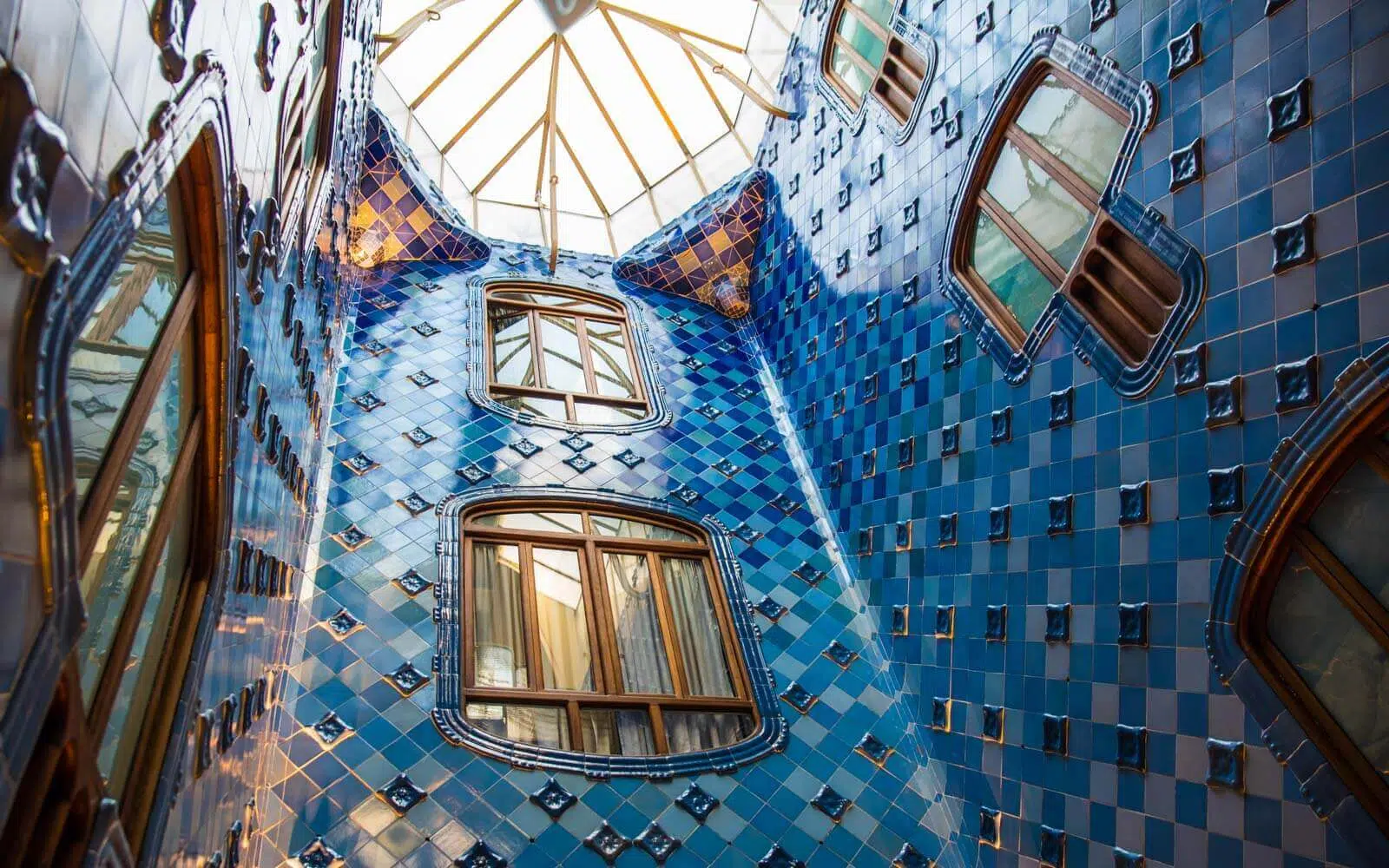
Casa Batlló is like being in a different world where a building turns into a piece of art. When entering the building one feels like being in a dream. The interior spaces have some features that make them smooth and well designed; these include; walls, floor and ceiling. These elements are designed to merge the dream with reality, that is why they are called so.
Due to the natural light that is allowed to filter through the stained glass windows, the rooms get painted with bright colors and the play of light and dark is seen. The application of ceramic, glass and wrought iron by Gaudí also helps to create the surrealist atmosphere of the structures, and makes the visitor look at the details of the building and feel the fairy tale of the modernist architecture.
Preserving Gaudí’s Legacy
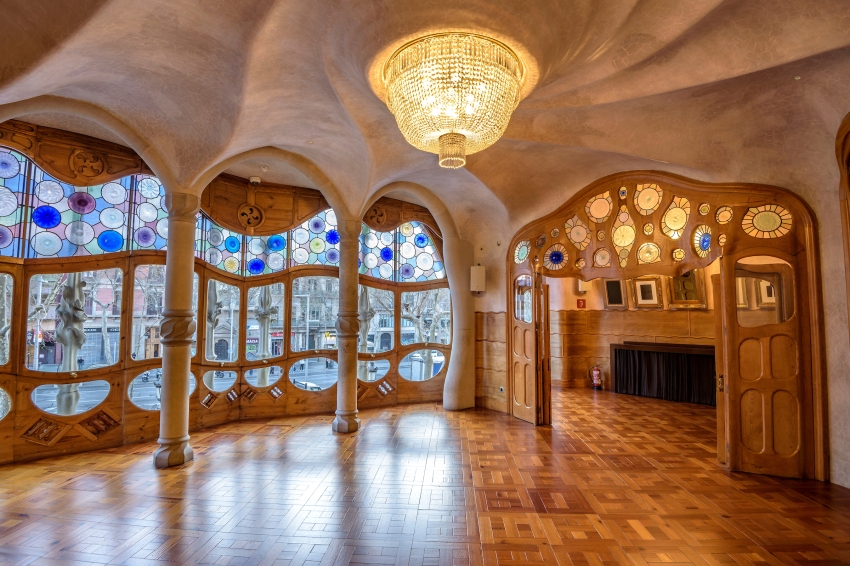
Throughout the years that Casa Batlló has been around, it has gone through many repair processes in an effort to keep the building as architectural and aesthetically appealing as possible. These conservation projects, which have been coordinated by the current owners of the building, have been focused on the protection of Gaudí’s idea and at the same time, ensuring that the future generation would still be able to appreciate this cultural asset.
All the measures have been made to maintain the memory of Casa Batlló as one of the most important architectural landmarks of Barcelona. This comprises of repairing aesthetic features and preservation of the structure of the architectural wonder. Now it is a monument to the incomparable genius of Gaudí and the eternal interest in Modernist architecture in the rich cultural context of Barcelona.
Visiting Casa Batlló: A Journey Into Modernist Barcelona
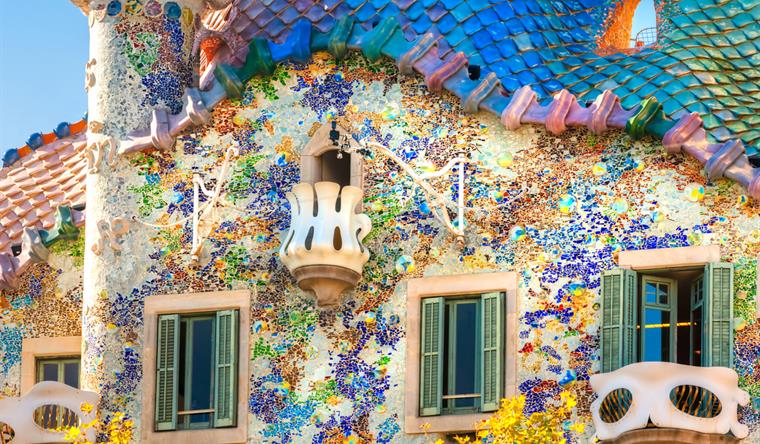
The visit of Casa Batlló offers not only an idea of Gaudí’s work but also a rather accurate idea of the fact that Modernist architecture has influenced the area of culture of Barcelona. Casa Batlló makes people to dive into the world of art, innovate and history all at once. No matter if the architects of Casa Batlló pay their attention to the amusing façade of the building or the sophisticated ornamentation of the house, there is a way to attract attention to it.
While on the guided tours, the guests are informed on how Gaudí designed the building and the history of the construction of Casa Batlló. This assists them to position the building in the right perspective with regards to the Catalan Modernism in the overall scheme of things. Thus, feeling the atmosphere of the Casa Batlló, people can get a better understanding of what Gaudí has done for the progress of architecture and how his creations affected the architecture of Barcelona.
Explore Further: Casa Batlló’s Official Website
Casa Batlló is one of the masterpieces of Antoni Gaudí as well as the luxurious panorama of Modernism in Catalonia; this architectural creation will remain the sign of art for generations. More information about Casa Batlló history, construction, and current restoration can be found on the official website of the building. It is a good chance for those who are interested in the facades and the layout of a wonderful building and its role in the cultural life. Discover peculiar virtual excursions, many architectural features, as well as other interesting facts that expand knowledge and make the visit to this well-known place in Barcelona more enjoyable.