


















A fun pastime that may instantly make you feel happy and connected to nature is bird watching. Drawing in a diverse range of avian companions may be gratifying and enlightening, regardless of your level of interest in twitching or just taking pleasure in the soothing sounds of their singing in your yard. Knowing the preferences of various species and providing them with suitable feeders and food are the keys to establishing a lively bird sanctuary. Let’s investigate how you might turn your outdoor area into a haven for birds.
Understanding Bird Behaviour and Preferences
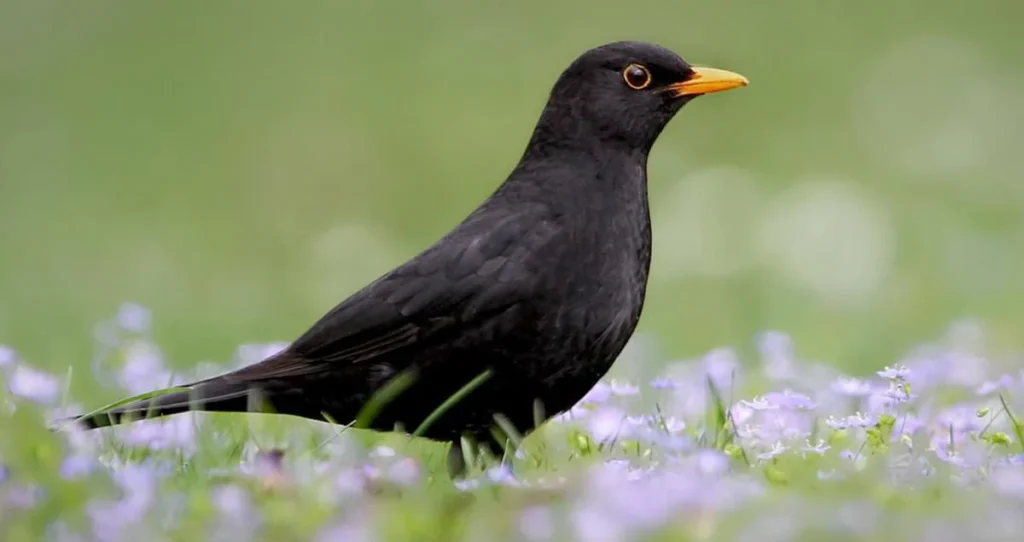
It’s important to recognise that different bird species have varied preferences when it comes to feeding habits before getting into the details of feeders and food. While certain birds, like woodpeckers, are at ease clinging to vertical surfaces, others, like finches, prefer to perch while they eat. Ground-dwelling birds, such as blackbirds and robins, favour low platforms or the lawn for their feeding grounds.
Furthermore, the year-round food requirements of birds vary. They need more foods high in protein during the mating season, while foods high in fat during the winter months provide them the energy they need to withstand the cold. You will draw a wider diversity of species to your garden if you provide a varied cuisine and a selection of feeding stations.
Selecting the Right Bird Feeder
The birds you attract might be greatly influenced by the sort of feeder you select. Here are a few well-liked choices:
- Tube Feeders: These are adaptable and draw a variety of little to medium-sized avian species. They can be installed on poles or suspended from trees, and they work great for dispensing seeds.
- Platform Feeders: These open trays hold a wide range of food, including fruits and seeds, and are ideal for ground-feeding birds.
- Suet Feeders: These feeders, which hold suet cakes or fat balls and provide high-energy food that is especially helpful in the winter, are perfect for woodpeckers, nuthatches, and tits.
- Nyjer Feeders: These have tiny openings that are ideal for tiny seeds, such as nyjer, which draw siskins and finches.
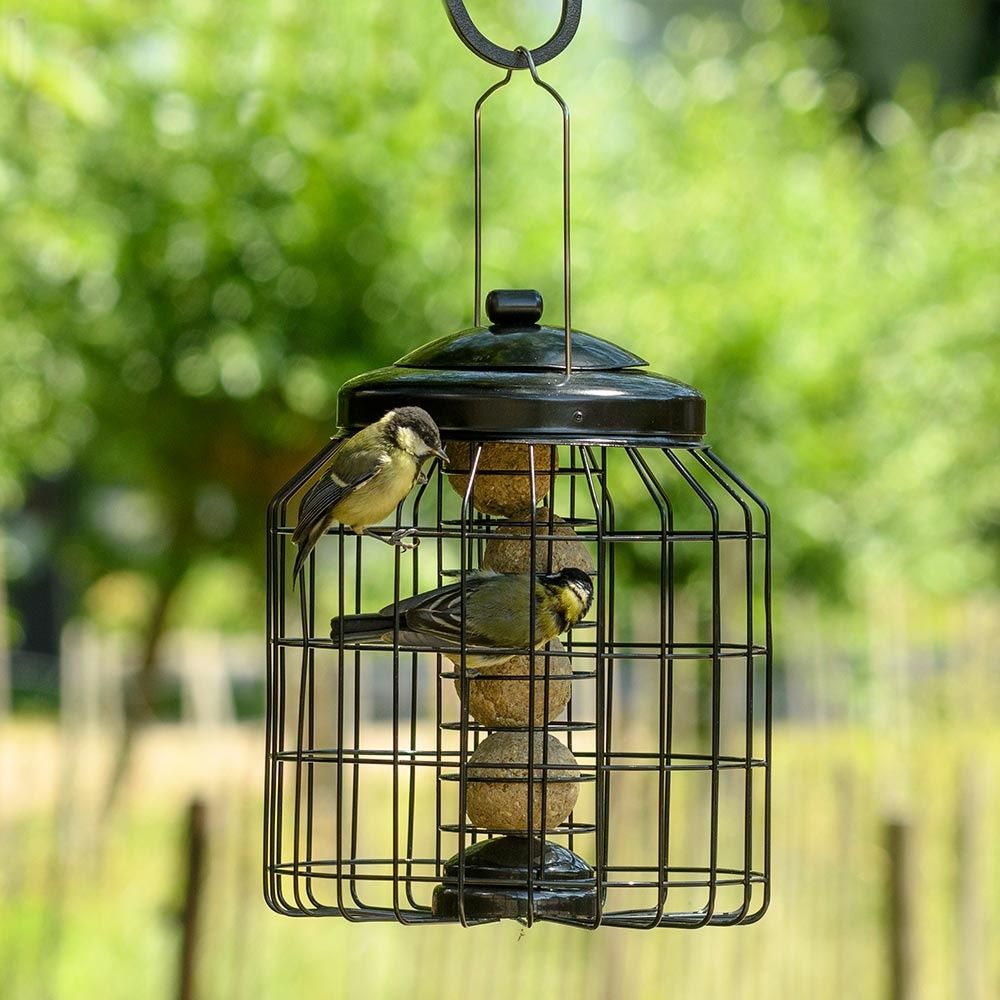
- Squirrel-Proof Feeders: Consider feeders with protective cages or weight-activated perches that close when larger animals attempt to access them if squirrels are a problem in your neighbourhood.
One excellent option for those battling with larger birds or squirrels is the Brussels Fat Ball Feeder Guardian Pack. This ingenious design features a protective cage that keeps larger, more aggressive birds and squirrels at away while allowing smaller birds to access the food. It is especially helpful when giving out fat balls, which are a favourite food of many garden birds and are high in energy.
Choosing the Right Bird Food
The feeder you use is not nearly as critical as the food you provide. A diversified bird population in your garden can be achieved by providing a variety of foods, as different foods tend to attract different species.
- Seeds: For many birds, black sunflower seeds are a favourite. Finches adore nyjer seeds, but birds that graze on the ground are drawn to millet.
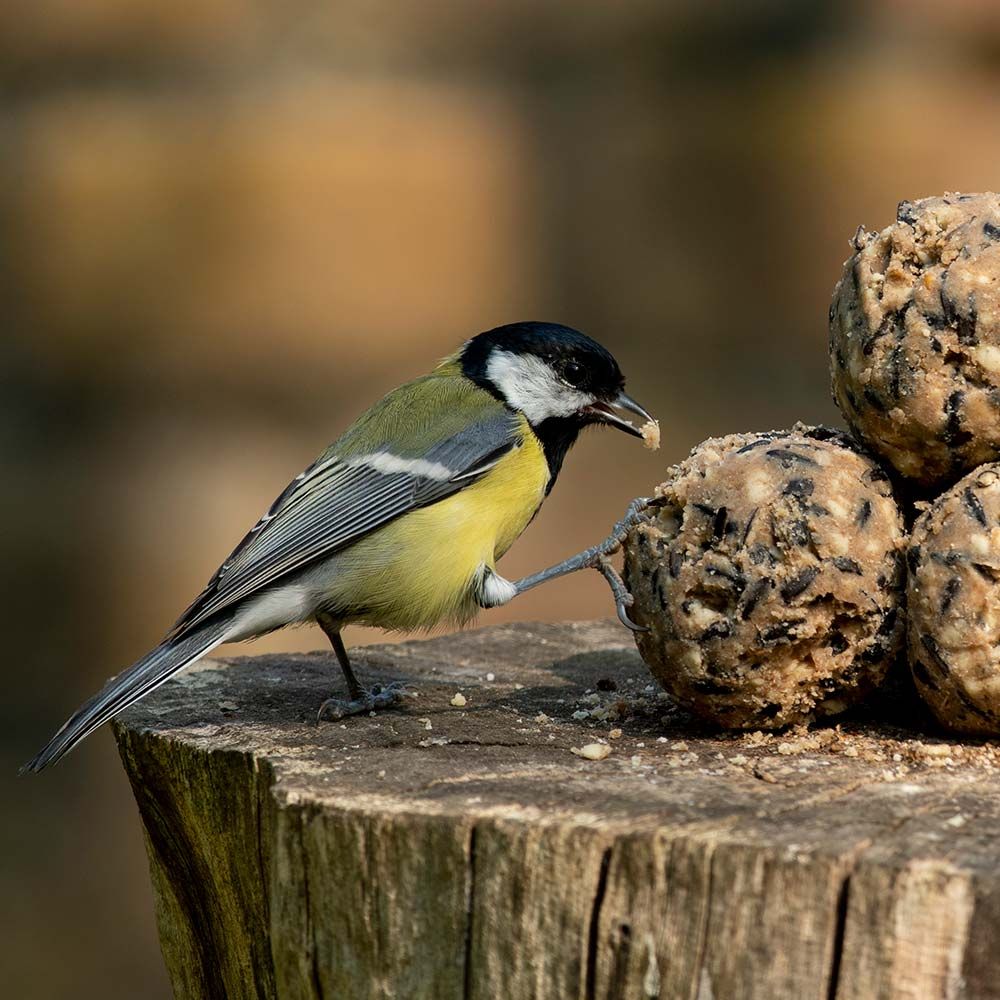
- Suet and Fat Balls: These foods are very vital throughout the winter months because they are high in energy. A great option is the CJ Wildlife Box of 50 Ultimate Fat Balls. Chopped peanuts and black sunflower seeds are two of the premium components used to make these delicious fat balls. Their high fat content makes them water-repellent, and they stay soft even in extremely cold temperatures, making them available all year round.
- Fruits: Berries, grapes, and apples all draw fruit-eating birds like thrushes and blackbirds.
- Mealworms: Many birds appreciate these goodies, which are high in protein, especially when it’s breeding season. Dried Mealworms for Birds from CJ Wildlife are a great choice. Compared to real mealworms, they are simpler to handle because they offer all the protein without the wriggling. Mealworms are a favourite food of many garden birds and wildfowl, but robins really like them.
- Peanuts: Nuthatches, woodpeckers, and tits all like whole or crushed peanuts. Always ensure they’re unsalted and suitable for birds.
Creating a Bird-Friendly Environment
While feeders and food are crucial, creating a holistic bird-friendly environment will encourage more frequent visits and potentially even nesting. Here are some additional tips:
- Provide Fresh Water: Birds will congregate around a shallow water feature or birdbath to drink and bathe. Make care to clean and refill it on a regular basis.
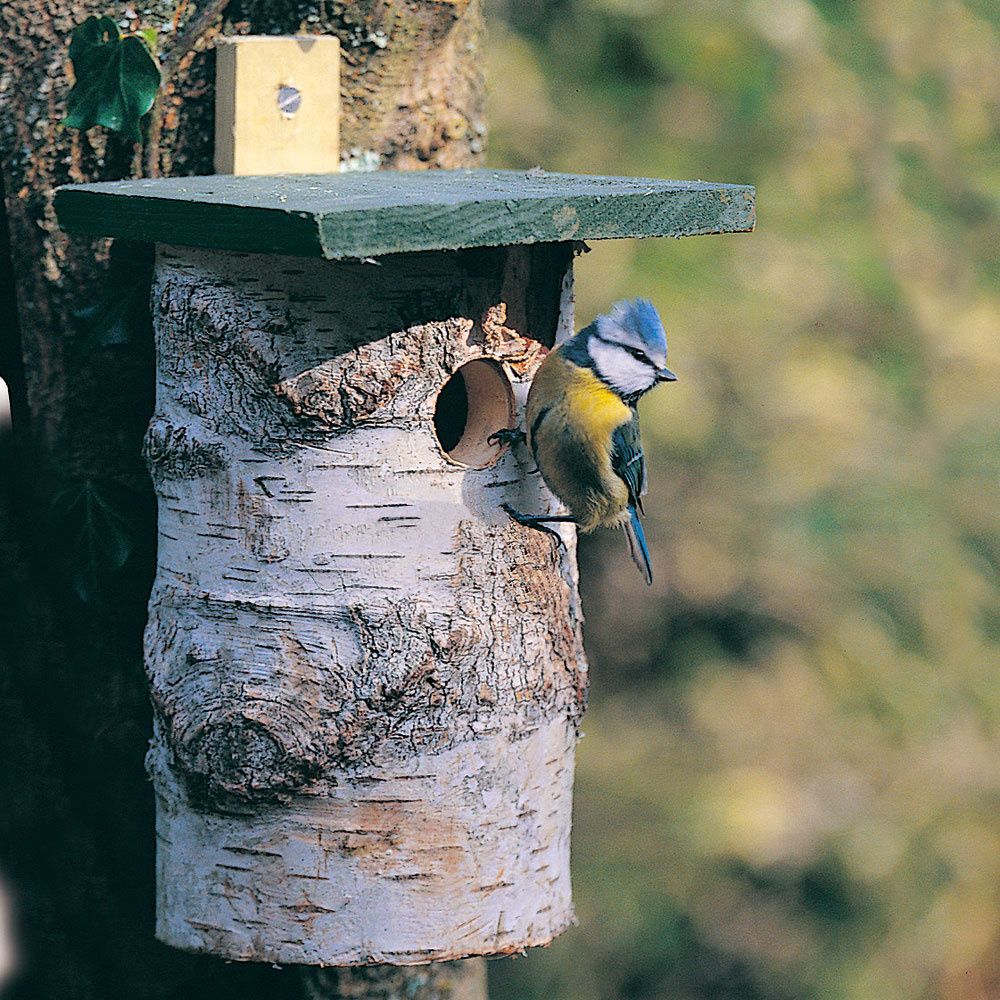
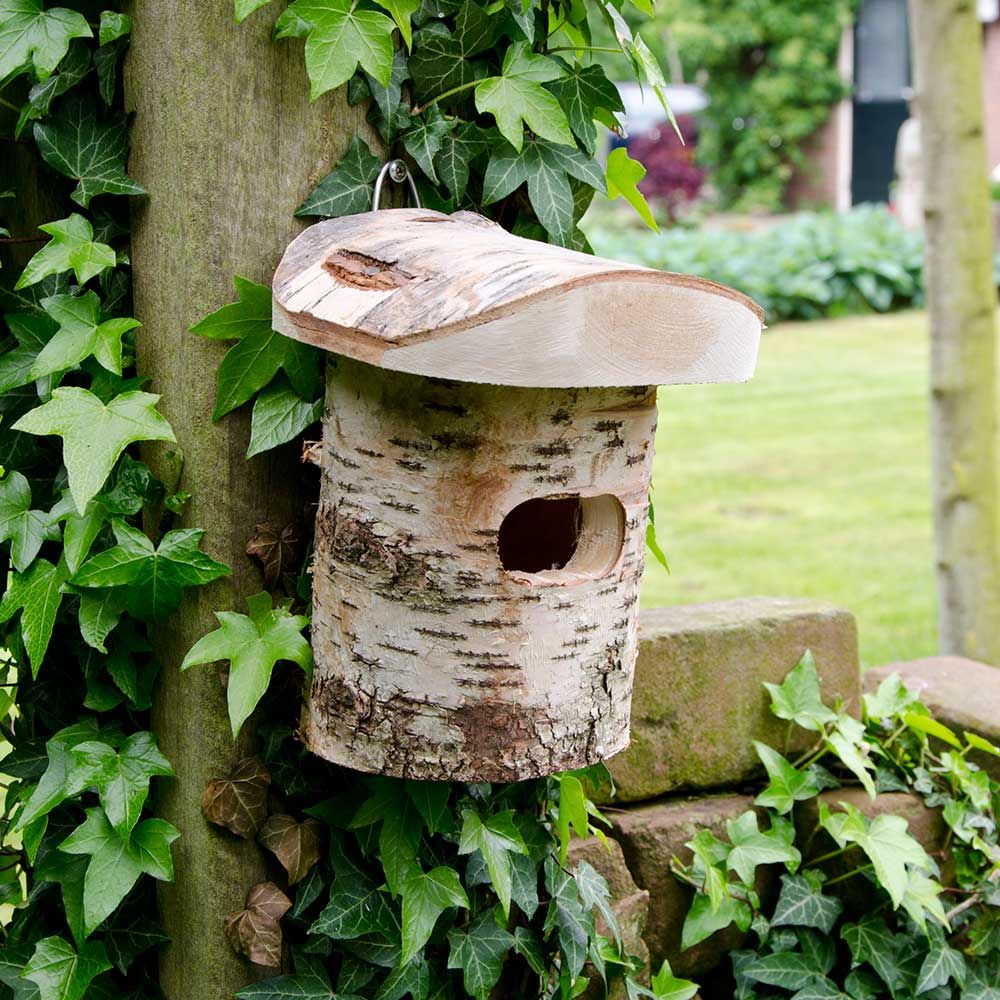
- Offer Nesting Sites: Many bird species are facing a shortage of natural nesting sites. You can help by installing nest boxes. The National Trust Birch Log Nest Box with a 32mm hole is an excellent choice. Its natural birch log construction blends seamlessly with the environment and is suitable for various tit species and smaller birds.
- Plant Native Species: Native plants provide natural food sources and shelter. Berrying shrubs, seed-bearing flowers, and trees with nuts or fruits can supplement your feeding stations.
- Create Cover: Dense shrubs or climbing plants provide shelter from predators and harsh weather.
- Avoid Pesticides: These can harm birds directly or reduce their insect food sources.
Maintaining Your Feeding Stations
Regular maintenance of your feeders is crucial for the health and safety of your feathered visitors:
- Clean feeders regularly with a mild detergent solution and rinse thoroughly.
- Remove any wet or mouldy food immediately.
- Rotate feeders on a regular basis to avoid accumulation of droppings underneath them.
- Remove feeders temporarily to stop the spread of illness if you spot sick birds.
Observing and Learning
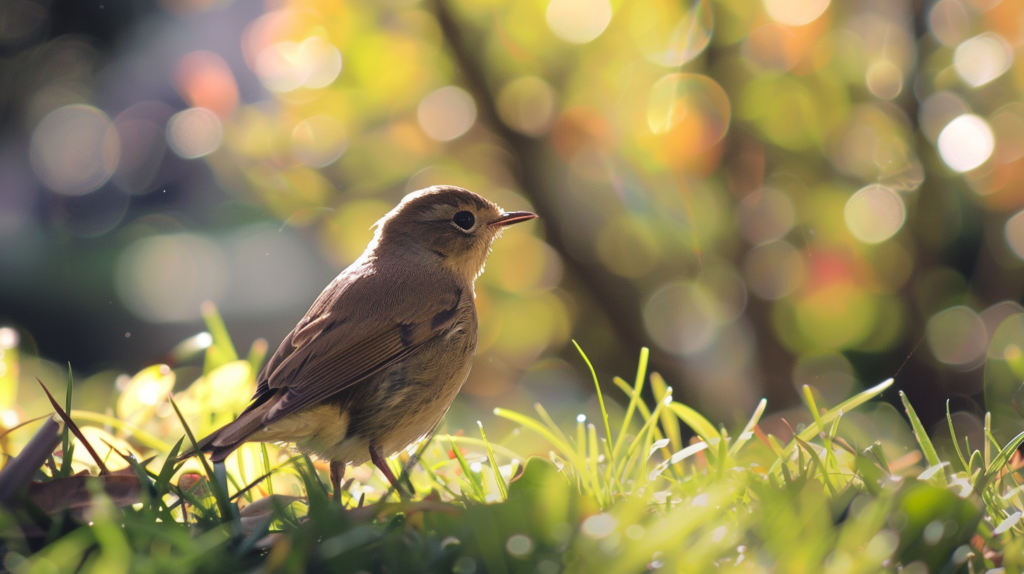
The real fun starts when you get your bird-friendly garden setup and start observing and getting to know your guests. Record the species you observe in your journal, including their appearance and behaviour. The seasonal variations in your bird population may surprise you.
Participate in citizen science initiatives such as the Big Garden Birdwatch program of the RSPB. These programs strengthen your bond with nature while simultaneously giving researchers access to useful data.
Recall that offering food to birds is not the only thing that will draw them to your garden. It’s about providing a supportive, safe atmosphere for them throughout their whole life cycle. You’re doing more than just providing food for birds by providing a range of suitable meals, feeders, and habitats; you’re also fostering the conservation of these animals and building a vibrant ecosystem in your own backyard.
So fill those feeders with wholesome offerings, set them up, and get ready to be astounded by the melodic, colourful guests who soon will adorn your garden. Happy bird watching!