
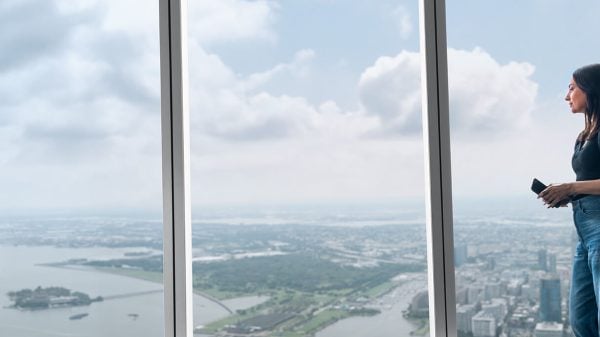

















One World Observatory is rather unique as it invites visitors to the top of One World Trade Center to have a look at New York City from above. The observatory is situated on the 100th to 102nd floor and gives people a view of the city, the Statue of Liberty, Central Park, the Brooklyn Bridge, etc.
Museums and galleries become dynamic with the magical touch of having computerised features that makes the place lively with feelings of the great history and culture of the city. One World Observatory is certainly one of the places that should not be missed both to tourists and to the inhabitants of New York and other countries.
SCHOOL & YOUTH GROUPS
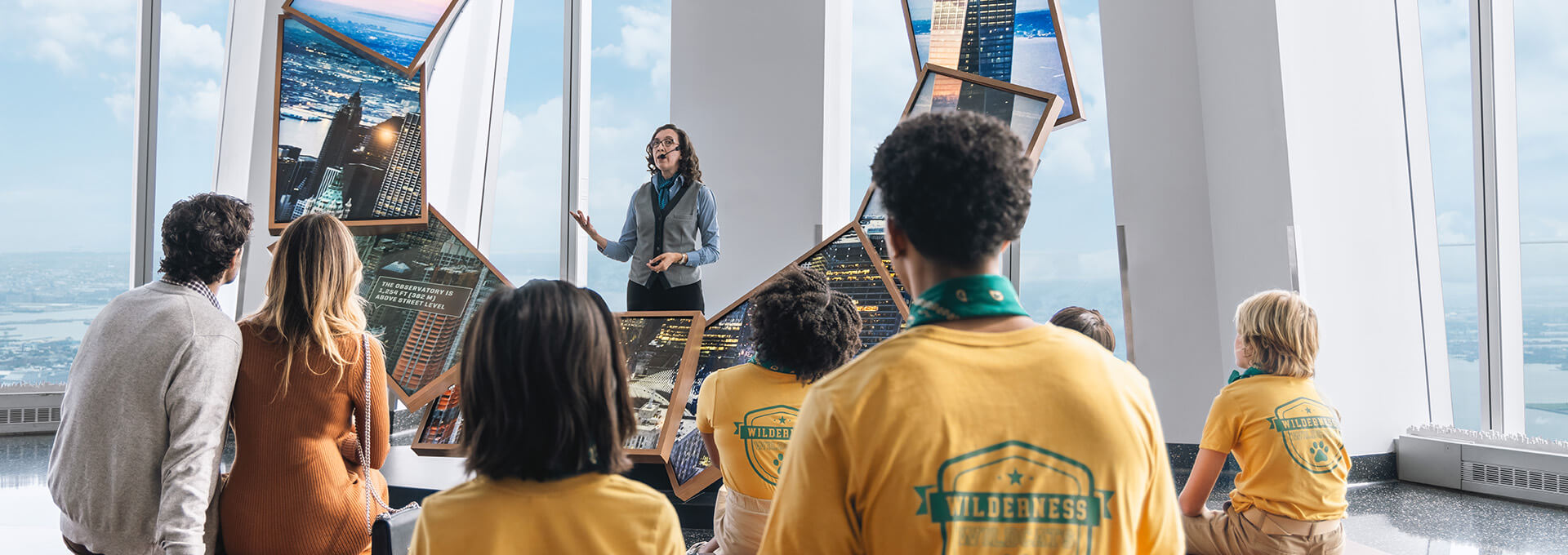
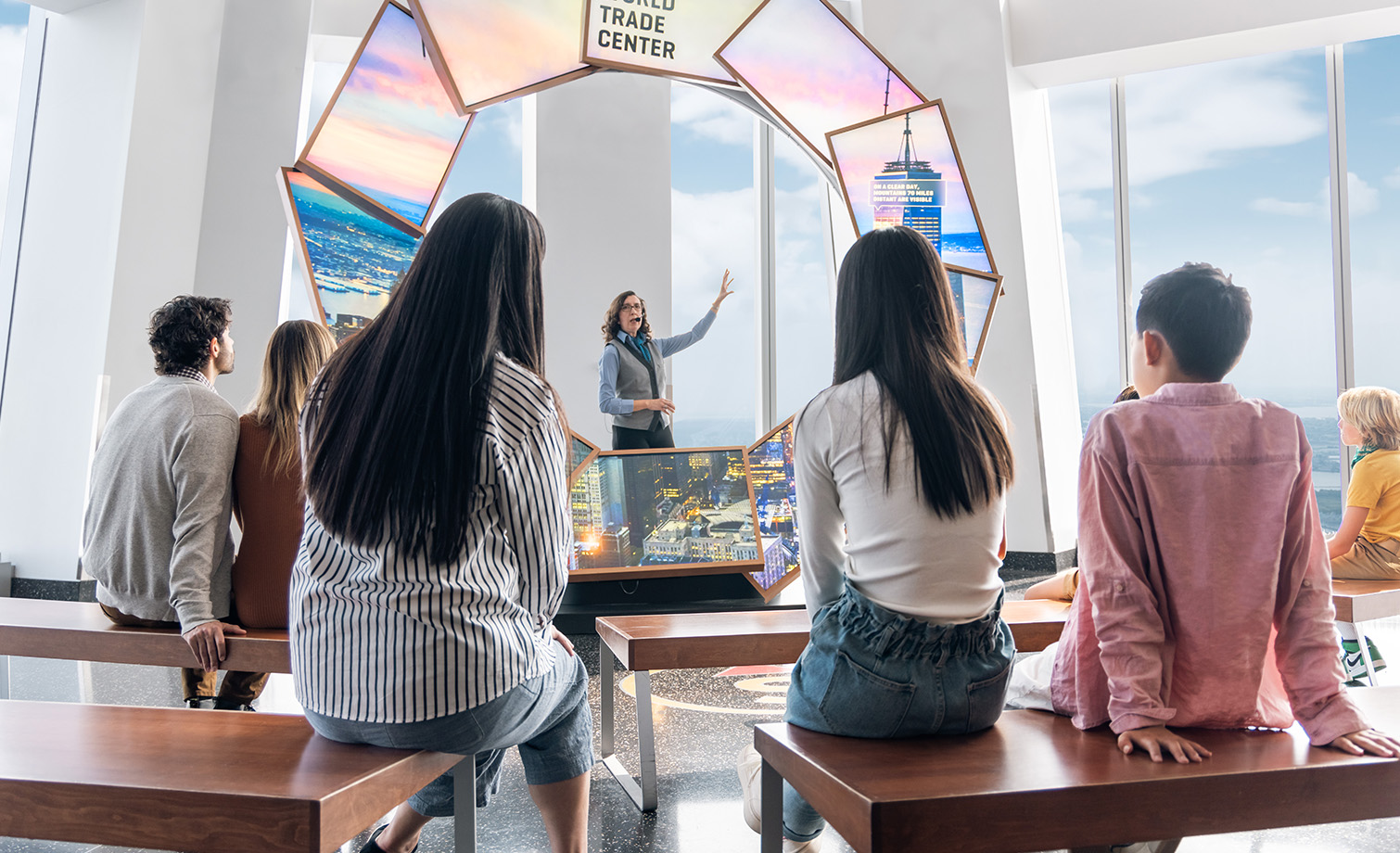
Special discounts are available to youth organisations such as schools, camps, scouts, churches, and other youth organisations. Through their interactive educational experiences, you will gain knowledge about New York City in ways that you have never experienced before.
Find out how a trip to One World Observatory might take the education of your pupils to new heights by exploring the possibilities.
The use of visual context to stimulate learning and discovery across a variety of subject areas, including engineering, immigration, and history, is applied to students of numerous grade levels. You will receive planning assistance from a member of their staff in addition to competitive pricing.
For the duration of your visit, you will have access to their free materials for curriculum planning.
History
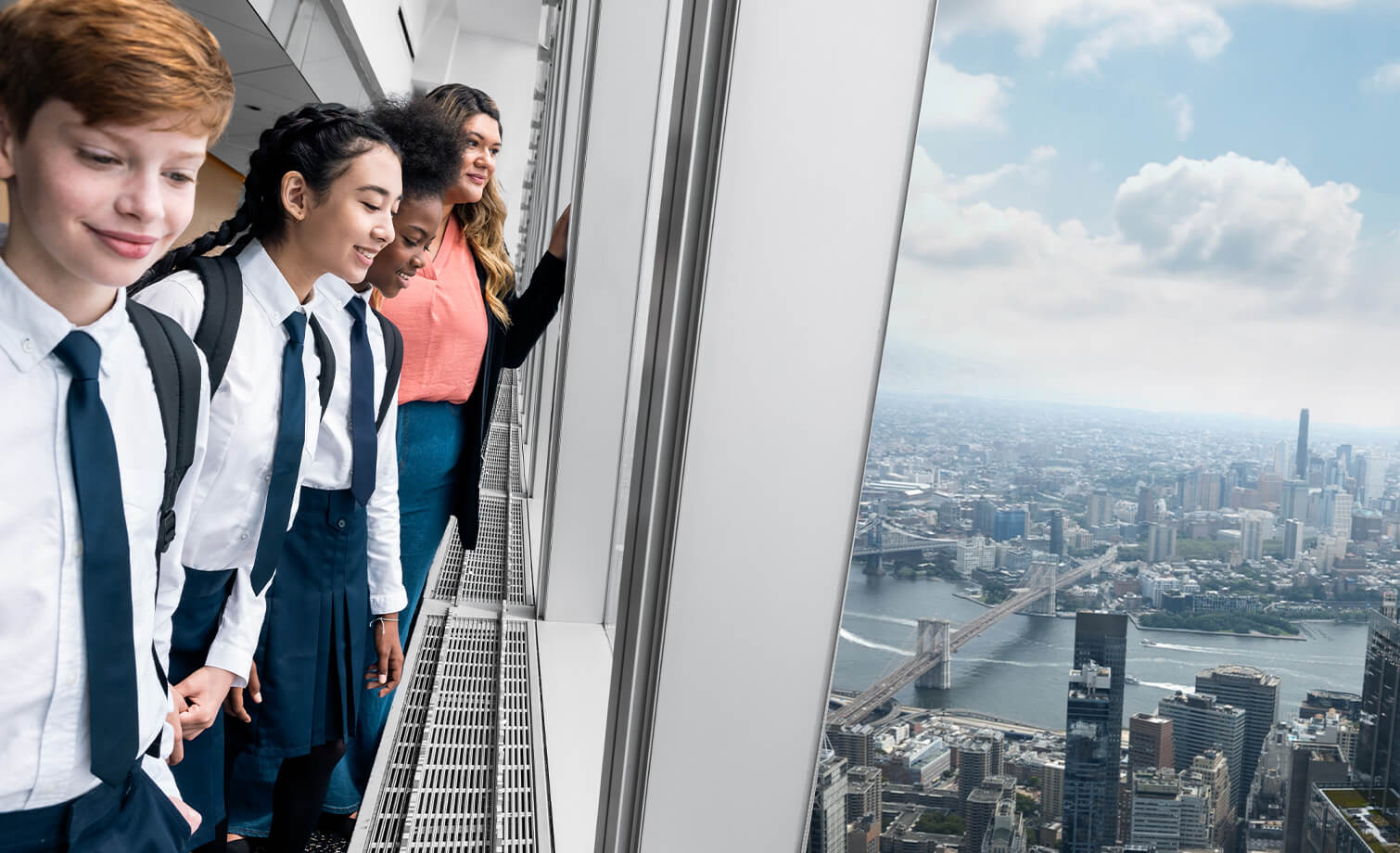
Lower Manhattan and the neighboring territories will become the subject of study where students will focus on points of interest related to history and historical landmarks. During the visit at One World Observatory, they will use this prior knowledge provided to further explore the various touchscreens at the Observatory, which are designed to give a detailed information on New York’s history and culture. In a large scale, the students will understand and be able to acknowledge such known relics as the Statue of Liberty, Ellis Island, and the Brooklyn Bridge, establishing history lessons with tourism perspectives. This will complement their learning process and give them the historical and modern views of New York City.
VALUE DIVERSITY
During the period of time between 1892 and 1954, the Statue of Liberty served as a welcoming sight for more than 12 million immigrants who arrived in New York City. These immigrants were processed through Ellis Island. Students investigate the stories of immigrants who arrived in New York City and the difficulties they encountered throughout their time there. The students investigate the reasons why people emigrated to the United States during the 19th and early 20th centuries, making note of the influence that the Irish potato famine played in their decision to live in the United States.

SCIENCE
The One World Trade Centre is regarded as one of the “greenest” buildings in the city on account of its environmentally friendly design. In what ways does a building meet the criteria to be considered a green building? What sorts of material and energy considerations lead to a smaller carbon footprint, and what kinds of structures might be constructed in the future? What kinds of structures might be constructed in the future? Students are provided with the option to create their very own ecologically sustainable building at One World Observatory, where they also get the opportunity to learn about green technologies.

MATH
Cities are exciting places, but what makes a city a good place to live? What kinds of things do people need and want in a city? This lesson introduces students to the concept of city planning and different kinds of land use. Students will learn about essential elements such as housing, transportation, parks, and commercial areas, as well as the importance of balancing residential, industrial, and recreational spaces. Through interactive activities and discussions, students will explore how thoughtful city planning can create vibrant, sustainable, and livable urban environments that meet the diverse needs and desires of its inhabitants.

ECONOMICS
In what way can a river help set the economy of a city? Frequently rivers are extremely significant in trade, communication, and production processes. For example, the Hudson River provided the America the trade ways to Canada and the Great Lakes making it as America’s most important water way for 200 years. This paved way to trade and improvement of the local economy as it encouraged the establishment of businesses and settlers. Besides, the attractiveness of the area due to the Hudson that has great scenic and history attractions has boosted tourism, which in turn promotes economic development. These contributions show that the river is very central in the development and formation of economic and cultural structures in the cities allied to the river.

Elevate Learning with One World Observatory’s School & Youth Group Programs!
Experience history and knowledge efficiently with One World Observatory’s school/youth programmes. They carry out their tours in an engaging way hence giving the students an opportunity to learn about the history of New York City, attractions, and architectural designs. Join them to discover the nicest present days’ creations in the field of exhibition and obtain exceptional views from One World Trade Center.